
Key Takeaways
After a collision, the early weeks of recovery are often the hardest to manage in a traditional clinic setting. Stiffness, pain, and limited mobility can make driving and sitting in a waiting room genuinely difficult.
Auto accident physical therapy brings hands on care directly to the patient's living space, removing the physical and logistical barriers that often delay healing.
In-home treatment plans for auto accident injuries can include manual therapy, guided exercise, soft-tissue mobilization, and patient education tailored to the home environment.
Florida's Personal Injury Protection (PIP) coverage frequently applies to in-home physical therapy, making this option more accessible than many crash victims realize.
Consistent care, comfortable surroundings, and one-on-one attention tend to support better adherence, and it is one of the strongest predictors of recovery quality.
The hours and days following a vehicle accident are overwhelming. The adrenaline wears off, the discomfort sets in, and what seemed like a minor bump transforms into a stiff neck, an aching low back, or a shoulder that refuses to rotate as it once did. For many, the prospect of getting back into a car and driving across town for physical therapy is almost as bad as the injury itself. That is precisely where mobile auto accident physical therapy earn their place in today's recovery: meeting patients where they are, both physically and emotionally, rather than forcing them to endure a commute they are unprepared for.
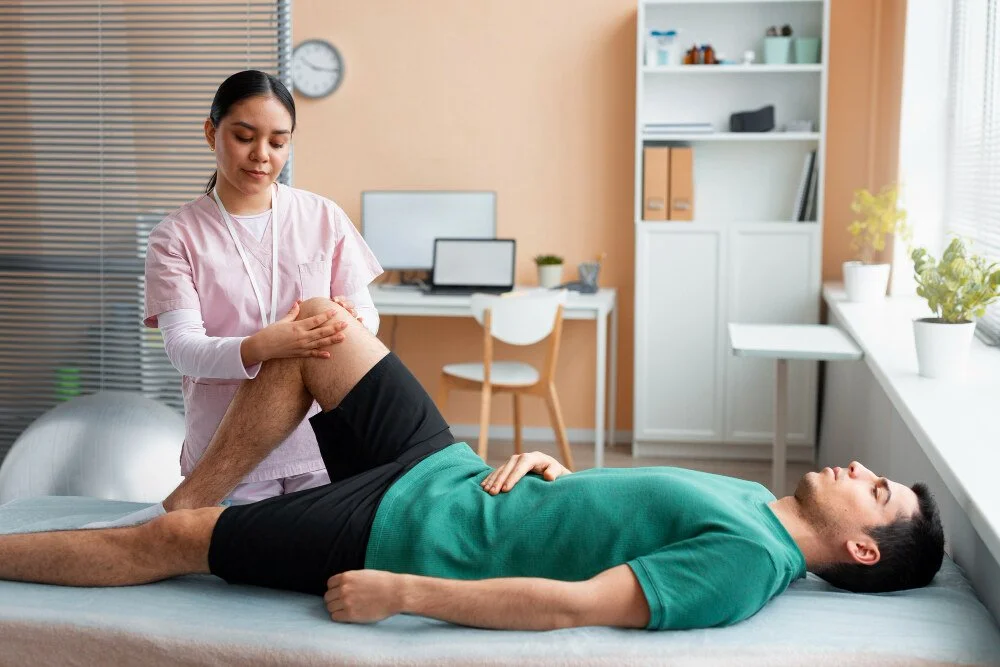
In-home physical therapy is not a diluted form of clinic service. When administered by a professional doctor of physical therapy, it is a comprehensive diagnostic and treatment session tailored to the reality of post-crash recovery. The situation changes, but the standard of care does not.
All soft-tissue injuries, such as whiplash and joint sprains, have a similar pattern of healing. The body begins to lay down new tissue after the inflammation peaks. This tissue will have a lasting impact on the affected area's movement. Resting alone can leave patients stiff and with guarded movements. Exercise that is too aggressive or not timed correctly can exacerbate symptoms.
This window works best with graded movements, manual therapy, and education. Most crash victims dread driving to their appointments for the first two or three weeks. The victims cancel, reschedule, or simply stop going. The quality of recovery also declines as adhesion levels fall.
In-Home Care Changes the Recovery Equation
When a physical therapist visits the patient's house, numerous things change at once. The sufferer does not need to brace for traffic. They do not have to locate someone to drive them. They can be evaluated on the couch they're struggling to get off, the stairs they're attempting to climb, and the bed they're attempting to sleep in. The treatment approach is based on real life situations rather than a typical clinic atmosphere.
Common injuries reported following auto accidents include whiplash, neck and back discomfort, headaches, shoulder and arm pain, and numbness or tingling in the limbs.
During a home visit, the therapist can:
Use manual therapy to relieve pain and inflammation.
Guide stretching and range of motion exercises customized to the patient's tolerance.
Utilize instrument assisted soft tissue mobilization, such as the Graston Technique.
Provide posture and ergonomic information that is immediately applicable to the patient's sofa, desk, and car seat.
The Treatments That Translate Well to a Home Setting
It is a common misconception that physical therapy involves a lot of equipment. In the majority of cases following an accident, the best interventions are made with the therapist's hands, the patient's weight and body mass, and a few portable instruments. Spinal manipulation, soft tissue manual therapy, targeted exercises, and Graston soft-tissue techniques are all portable. Normatec recovery is also effective for the lower body when necessary.
The therapist comes, assesses the patient, treats them, teaches them, and then leaves with a plan that they can immediately implement, all in the same place where they will be sleeping, working, and recovering.
Even for severe injuries that need advanced imaging, surgical consultation, or specialized equipment, clinics or medical settings are still necessary. Our in-home therapists will tell you this and work with you to coordinate the treatment.
One of the unappreciated benefits of in-home rehabilitation is the diagnostic support it provides. A therapist who enters the patient's actual living place notices subtleties that would never come out in a clinic setting. The bed's height is making it difficult to get up in the morning. The seat angle of the automobile keeps the neck flared. The patient has been leaning on the kitchen counter to relieve lower back strain. These cues impact the treatment plan in ways that typical intake forms cannot.
Asking a patient to practice walking in a clinic hallway is one thing; observing them walk the three steps from their bedroom to their restroom at 2 a.m. is another. Following a collision, the most meaningful movements are those that are part of the patient's daily routine, such as getting dressed, lifting a child, reaching for a coffee mug, or relaxing into a couch. Each of them can be instructed and modified on the spot.
A More Realistic Picture of In-Home Recovery
In-home care is not for everyone. It does not guarantee a quicker return to sports, pain-free results, or a certain number of sessions. The recovery depends on the severity and age of the injury, as well as the patient's overall health. In-home care offers fewer excuses to miss out on treatment, more personalized attention, and a better match between the rehabilitation plan and the patient’s everyday environment.
Patients who recover well from a car crash share certain habits. They show up regularly, do their exercises at home between sessions, sleep enough, and communicate with their therapist honestly about what is flaring and improving. Home based models support all of these habits, rather than fight against them.
We encourage a good first talk, which is not rushed, and hear the details of the accident, not just the injury list. We inquire about the patient's sleep, work, stress, and what they are attempting to return to, rather than simply measuring range of motion and handing over a list of exercises.
The combination of a comfortable atmosphere, individualized attention, and treatment tailored to the patient's real-life situation is what distinguishes auto accident physical therapy as a solid fit for vehicle accident recovery rather than a convenience play. Healing after a collision is rarely linear, and the easier it is to maintain consistency in care, the better the long-term outcome.