
Key Takeaways
At-home rehabilitation eliminates the physical and mental exhaustion of transporting a senior to an outpatient clinic during the vulnerable post-operative window.
Therapists can tailor recovery exercises to the specific layout of the home, addressing real-world obstacles like stairs, rugs, and bathroom accessibility.
Professional supervision in a familiar environment significantly reduces the risk of secondary injuries, such as falls or surgical site complications.
One-on-one attention from a mobile provider ensures that the specific surgical protocols provided by the doctor are followed with precision.
The move from a hospital bed to the family home is frequently the most dangerous stage of a senior's medical experience. Whether the treatment was a planned joint replacement or an emergency operation for a fracture, the first few weeks of recovery determine the long-term success of the intervention. Many adult children managing their parents' treatment have the practical problem of scheduling transportation to a clinic, which frequently results in missed appointments or delayed progress. This is where mobile physiotherapy services for seniors become an important part of the care plan, providing high-level medical services without the physical strain of travel on a healing body.
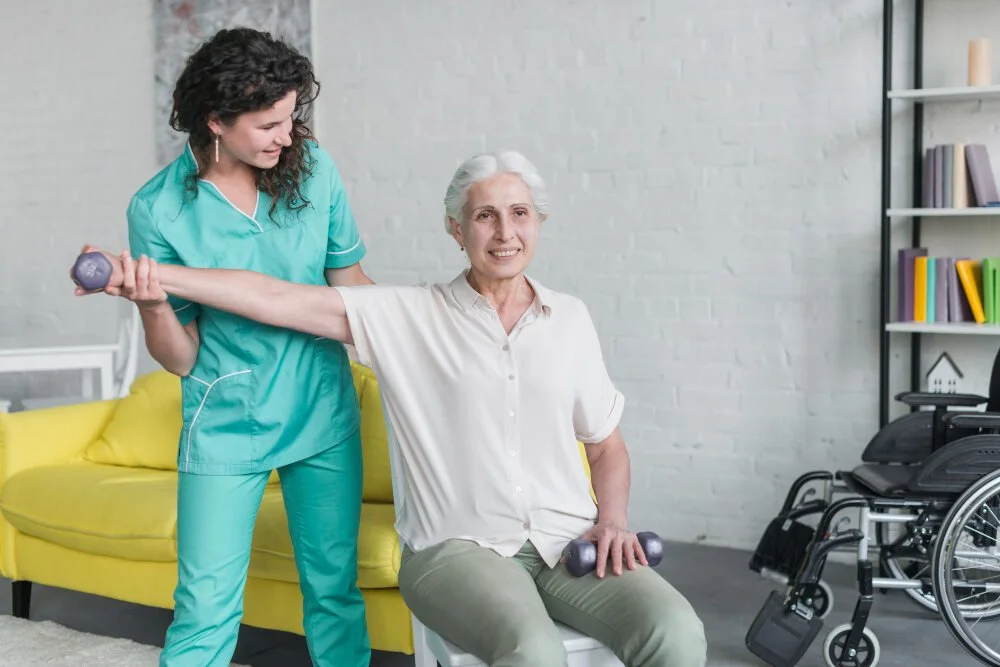
Incorporating the rehabilitation process right into the senior's living room, the emphasis moves completely from the logistical effort of getting there to the physiological effort of getting better. Surgery may increase inflammation and fatigue, so pushing a senior to handle car transfers, parking lots, and waiting rooms can impede their recovery by causing extra pain and exhaustion. Professional at-home care ensures that the initial steps toward mobility are conducted in a safe, controlled, and comfortable setting. This allows the senior to focus their limited energy on therapeutic exercises to regain their independence, rather than on a stressful commute.
Targeted Rehabilitation for Complex Orthopedic Conditions
The post-surgical recovery process for seniors is not a one size fits all procedure. It requires a specific clinical protocol based on the surgery performed. Seniors who have had a total hip arthroplasty or total knee arthroplasty are faced with immediate restrictions such as hip precautions and weight-bearing limitations. These can be difficult to manage without professional assistance. A clinician can educate both the patient and the caregiver at the bedside during their physiotherapy treatment. This direct supervision can be vital in managing conditions such as post-operative swelling or preventing scar tissue formation that causes joint stiffness.
Mobile care is recommended for seniors recovering after spinal surgeries such as a laminectomy and spinal fusion. Even minor incorrect movements can compromise surgical sites in these cases. Home-based therapists monitor for red flags and implement a progressive strength program. They focus on:
Edema management: Manual techniques and elevation strategies are used to reduce postoperative swelling.
Gait training: Safely transitioning from a walker or cane to the specific layout of your home.
Range of motion (ROM): Perform passive and active stretching in order to prevent joint contractures.
Incision monitoring: Checking the area for signs of infection and dehiscence.
Transfer Training: Teach safe techniques to move from a bed to a wheelchair without straining the surgical area.
Balance Restoration: Addressing dizziness or vestibular problems that can often follow general anesthesia.
Strengthening: Focus on the gluteal muscles and quadriceps that rapidly atrophy after bed rest.
Pain Modulation: Non-pharmacological methods to reduce discomfort when moving.
Reducing Post-Operative Risks With In-Home Physiotherapy
The weeks following surgery are sometimes the most challenging period of recovery for older persons. Even when an operation is successful, many seniors return home in discomfort, with limited mobility, balance concerns, and tight movement restrictions. Attending outpatient therapy at this stage might be difficult, particularly following a joint replacement, fracture repair, or hospitalization. In-home physiotherapy eliminates the need for travel and allows treatment to begin right where the senior lives, rests, and recovers every day.
Mobile physiotherapy services are particularly useful, since they provide the physiotherapist with a detailed picture of the patient's actual functional problems. Rather than measuring mobility in a clinic hallway, the therapist can determine whether the senior can safely get out of bed, walk to the bathroom, climb stairs, or navigate confined spaces with a walker. This setting makes treatment more realistic and focused. Exercises can be tailored to the layout of the home, and safety recommendations can address specific dangers such as loose carpets, insufficient lighting, uneven thresholds, or incorrect chair height.
Physiotherapists monitor pain levels, edema, changes in walking pattern, transfer difficulty, and limited range of motion during appointments. They may also detect warning signals that necessitate a consultation with the surgeon or primary care team, such as calf pain, unusual redness, worsening shortness of breath, or an abrupt decline in function. While physiotherapists can not replace medical professionals, their ongoing observation during recuperation might assist families in responding more swiftly when something appears to be wrong.
In-home sessions also give seniors and their family members more time to learn about safe recovery. The physiotherapist will demonstrate the correct use of mobility aids, show safe methods to get into and out of a bed or car, explain post-surgical precautions, and explain what activities to avoid during early healing. This education takes place at home, so it's easier for the patient and their family to implement the advice.
Supporting Long-Term Mobility and Independence
Physiotherapy's purpose is not just to help a surgical site recover, but also to assist the senior in returning to daily life with as much strength, confidence, and independence as possible. Many seniors define success as the ability to walk securely about the house, prepare simple meals, wash with less support, attend medical appointments, and return to community activities. In-home physiotherapy focuses on these practical goals by tailoring treatment to the movements the individual requires most in everyday life.
This strategy can help to increase treatment uniformity. Seniors are more likely to participate when therapy is directly related to their everyday routine rather than another laborious journey outside the home. Practice sit-to-stands from their own chair, walking to their own kitchen, or learning to safely use their own stairway makes rehabilitation more relevant and transferable between sessions. These little, recurring advances frequently result in increased confidence and more consistent movement throughout the day.
Consistency is important. Seniors who become less active due to illness or surgery can lose their strength, endurance and balance quickly. Inactivity and reduced movement can increase the risk for falls, deconditioning and other complications. In-home physiotherapy can help prevent this decline by encouraging safe, gradual activity at the appropriate pace for each individual's medical history, condition, and goals.
In-home physiotherapy isn't just about convenience. Mobile physiotherapy services are an effective way to deliver rehabilitation that is functional and tailored to the realities of home aging. By providing treatment in an environment that is familiar, physiotherapists are able to address recovery and fall prevention and help older adults regain their ability to move and live independently.