
Key Takeaways
Managing chronic pain at home allows for personalized adjustments to daily routines that a traditional clinic cannot offer.
Professional physical therapy addresses the root causes of arthritic stiffness through low-impact movement and joint stabilization.
Receiving care at home eliminates the physical and mental stress of commuting, which often exacerbates chronic pain symptoms.
Evidence-based exercise programs help seniors maintain their independence and remain in their own homes longer.
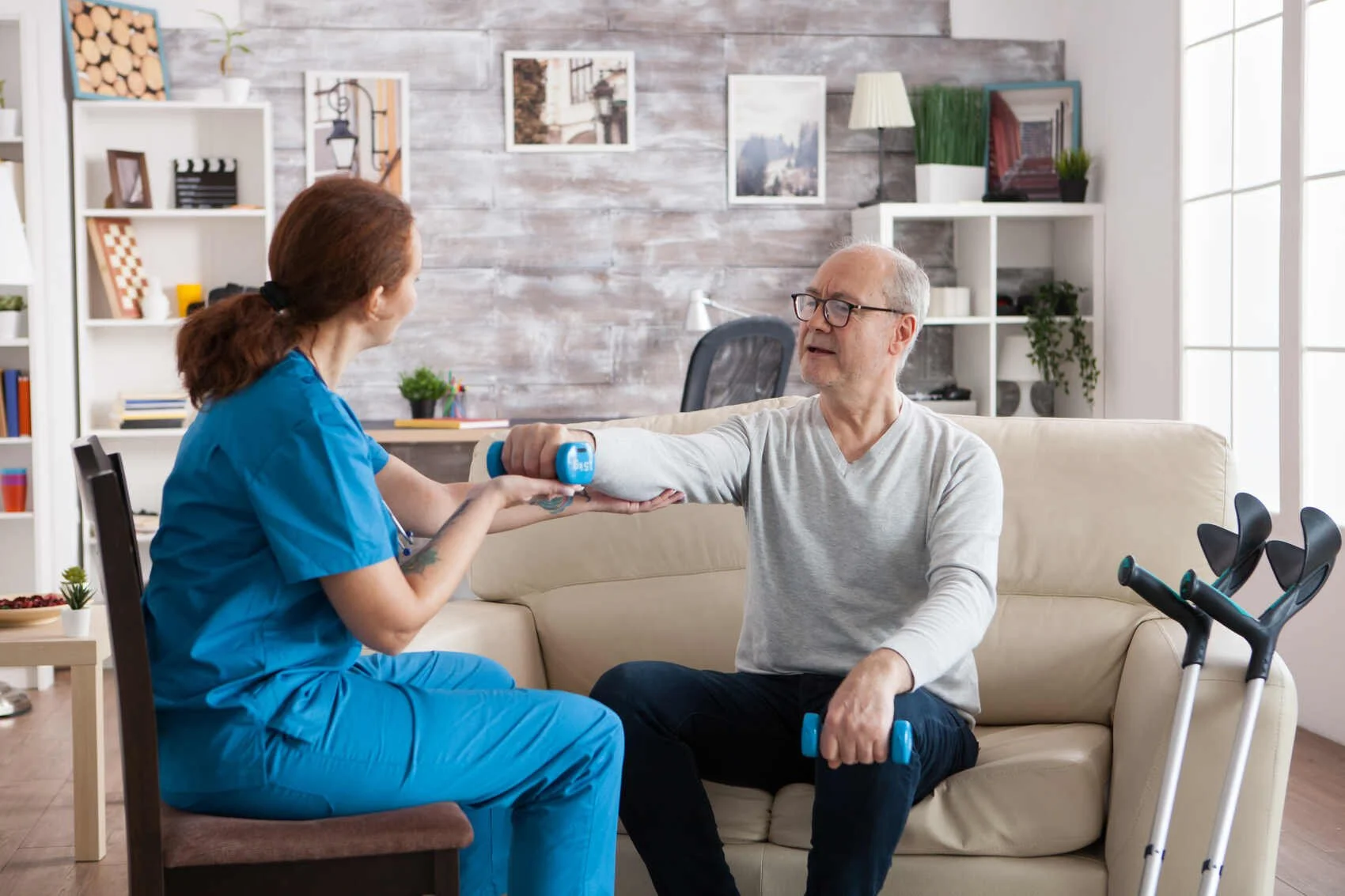
Many seniors see the ability to remain in their own home, surrounded by personal comforts and memories, as the peak of aging. However, the onset of arthritis or ongoing joint troubles can make a home's physical layout feel more like an obstacle course than a sanctuary. In-home physical therapy for seniors bridges the gap between the clinical knowledge required to manage these problems and the convenience of staying at home. Focusing on functional mobility and pain reduction where life actually happens, helps ensure that aging in place becomes a comfortable reality rather than a daily struggle.
Living with chronic pain necessitates a multifaceted approach that extends beyond basic medicine. When a therapist visits a senior's home, they look at how those symptoms impair a person's ability to walk the hallway, sit in their favorite chair, or reach for a glass in the kitchen. This environmental context provides insight that cannot be replicated in a sterile outpatient gym, making the therapeutic process more relevant and immediate to the patient's life.
The Unique Impact of Arthritis on Senior Mobility
Arthritis can be more than a temporary stiffness. For many, it's a chronic barrier to movement, leading to an inactive lifestyle. When joints hurt, it is natural to want to reduce movement. This lack of movement can lead to muscle atrophy, joint instability, and a downward spiral of function. Professional treatment focuses primarily on breaking this vicious cycle by introducing gradual, gentle movements that lubricate joints and strengthen surrounding supporting tissues.
These treatments can be tailored in a home environment to fit the type of arthritis that a senior has, whether it's osteoarthritis due to years of wear and tear or an inflammatory condition like rheumatoid arthritis. The therapists use techniques to improve the range of motion without overtaxing the patient's body. In a private, relaxed environment, patients are more likely to participate in these exercises, which leads to improved consistency and long-term results.
One of the major challenges for seniors suffering from chronic pain is attending appointments. The process of getting into a car, driving through traffic, and walking across a large parking lot can often trigger a flare-up before the therapy session begins. Choosing in-home physical therapy for seniors alleviates physical strain, allowing the patient to devote all their focus to the recovery process.
Beyond the physical relief, there is a significant psychological benefit. Chronic pain is commonly associated with anxiety and a fear of falling. Seniors can develop localized confidence by doing balance and gait training in the area where they spend most of their time. They learn how to traverse their individual rug edges, door thresholds, and bathroom layouts under the direct guidance of a specialist.
Identifying the Source of Discomfort
An accurate assessment of how discomfort manifests during daily activities is essential for effective pain management. In contrast to a clinical environment, where exercises are performed on a padded table, the home setting allows a therapist to see the exact moment of pain. This assessment includes:
Gait and posture analysis: Watching the senior walk between rooms, such as from the bedroom to the bathroom.
Furniture Assessment: Measure the height and firmness to make sure your favorite chairs provide joint support.
Stair Safety: Assessing the structural safety of stairways and the leg strength needed to safely use them.
Checking for ergonomic accessibility: The placement of kitchen items should be checked to avoid repetitive overhead reaching.
Surface Hazards: Identification of specific flooring types or rugs that contribute to joint impact and slipping.
The therapist can make immediate changes to a senior's furniture by adding firm cushions. The patient will learn the correct muscle engagement required to stand safely in the space they use each day.
Strengthening the core and the muscles supporting the knees and hips is vital for redistributing weight away from damaged, arthritic joints. Therapists use tools readily available at home, such as resistance bands or stable kitchen counters, to build a sustainable routine. This empowerment allows seniors to regain a sense of control over their health, transforming their home from a place of restriction into a personal training space.
The Mental Benefits of Familiar Surroundings
Chronic pain is both a physical and psychological challenge. A clinical setting can increase a senior's impression of being a patient, but receiving care at home helps them maintain their identity as an independent homeowner. This comfort can lessen stress and cortisol levels, reducing pain perception and preventing muscles from establishing a defensive tension state.
The social and private character of in-home physical therapy for elders promotes a stronger therapeutic bond. One-on-one sessions in a private home allow for:
Open Communication: Without other patients nearby, seniors feel more at ease addressing anxieties or physical limits.
Dynamic Care: Therapists can vary the intensity of a session based on how the patient is feeling on that particular day.
Increased Motivation: Maintaining a regular interaction with a familiar therapist promotes better adherence to the recovery plan.
Managing arthritis is more than just managing current symptoms; it is also about preventing secondary damage caused by compensatory motions. For example, a senior with knee pain may change their walking pattern, eventually leading to persistent back pain or loss of balance. Structured home care helps to maintain the body's general structural integrity by identifying and addressing these problems early.
Therapists also teach joint protection procedures. These are subtle, purposeful changes, such as using larger joints to carry goods or specialized instruments for daily tasks, that greatly reduce the damage that causes inflammation. This proactive strategy is essential for staying healthy while aging at home.
In the end, bringing expert clinical advice to a senior validates their desire for independence. The home is transformed from a place where one feels stuck, due to pain, into an environment where active recovery can take place. Integrating therapeutic exercises with the daily routine will make health a habit.
Specialized care shouldn't come at the cost of your peace of mind as you age. In-home physical therapy is a great option for those who want to continue living their life despite the pain of arthritis. Chronic pain can be effectively managed with a customized plan. This allows seniors to enjoy their home and family with confidence.